Learn the basics
How to Read a Crochet Pattern
Crochet patterns look like a wall of abbreviations and symbols the first time you see one. Once you know what the shorthand means, it reads more like a recipe than a foreign language. This page breaks down the pieces you'll run into.
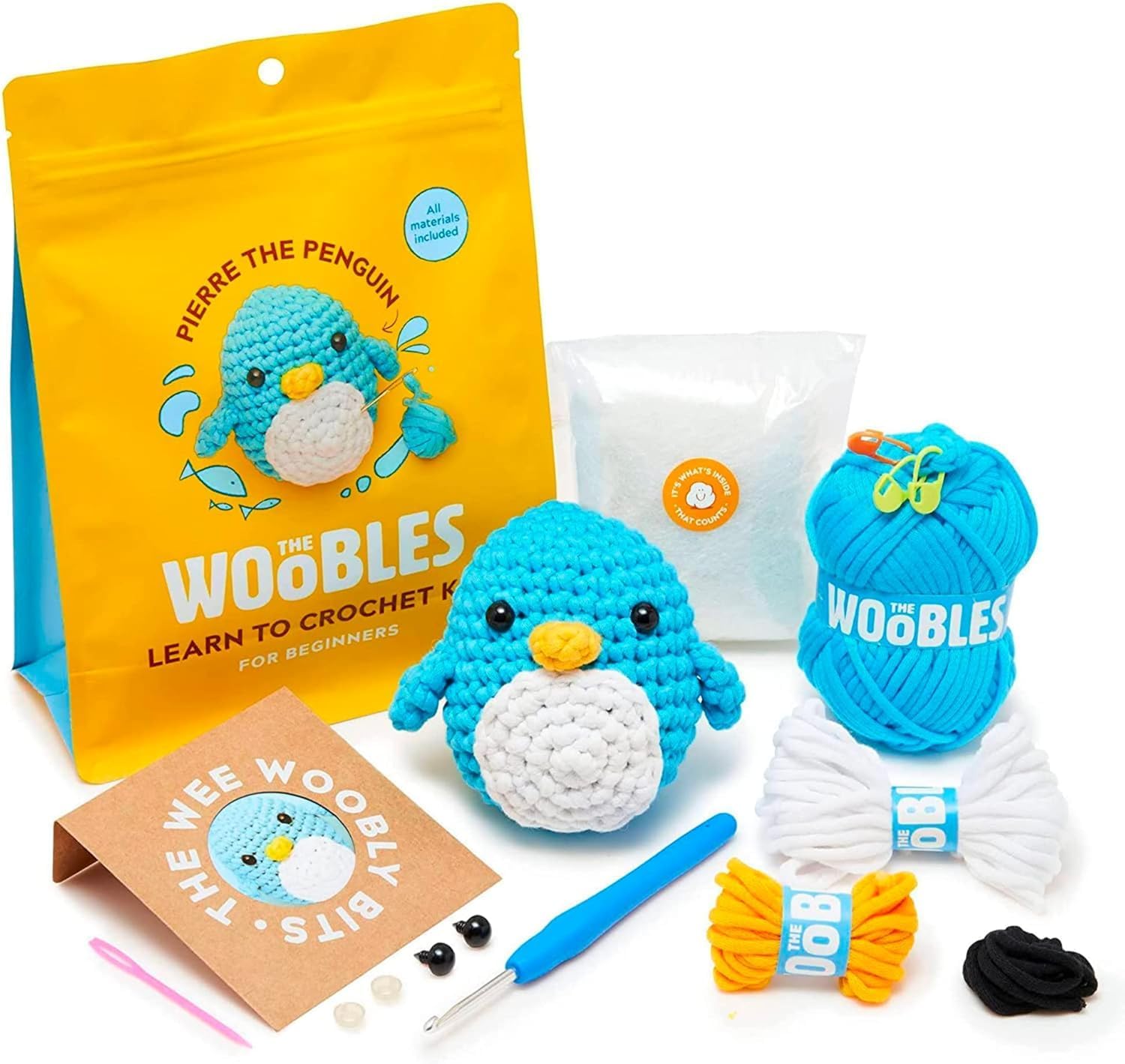
Recommended starter kit
The parts of a pattern, before you get to the instructions
Most patterns list a few things up front, before the actual stitch-by-stitch directions:
- Materials: hook size, yarn weight and amount, any notions like stitch markers or a yarn needle.
- Gauge: how many stitches and rows should measure a certain size (usually a 4-inch square) with the given hook and yarn. Gauge matters most for anything that needs to fit a specific size, like a hat or garment. For a dishcloth or amigurumi toy, you can usually skip checking it.
- Finished size: what the completed piece measures.
- Abbreviation key: a list of every shorthand term used in the pattern. Check this first, since some designers use slightly different abbreviations for the same stitch.
Reading the instructions themselves
Instructions are written row by row or round by round, using abbreviations instead of full words to keep them short. A line might read: "Row 1: Ch 15. Sc in 2nd ch from hook and each ch across. (14 sc)"
Broken down: chain 15 stitches, then work a single crochet into the second chain from your hook and into every chain after that, all the way across. The number in parentheses at the end tells you how many stitches you should have when the row is done, which is your built-in check that you didn't gain or drop a stitch.
That number in parentheses matters more than it looks. Get in the habit of counting your stitches against it every row. It's the fastest way to catch a mistake before it compounds.
Symbols you'll see inside instructions
- Asterisks (* *): mark a section that repeats. "*Sc 3, dc 1* rep from * to end" means keep doing that 4-stitch sequence until you reach the end of the row.
- Parentheses ( ): group a set of stitches worked into the same single stitch, common in shaping. "(Sc, ch 1, sc) in next st" means all three of those go into one stitch.
- Brackets [ ]: used the same way as parentheses but for patterns designers want to visually separate from parentheses used elsewhere, or for repeats within repeats.
Working in the round vs. working in rows
Flat patterns (rows) tell you to turn your work at the end of each row and go back the other direction. Patterns worked in the round (common for amigurumi, hats, and granny squares) tell you to continue in a continuous spiral or to join with a slip stitch at the end of each round, depending on the pattern. If a pattern says "join, ch 1" at the start of a round, it's not working in a spiral, it wants you to close each round before starting the next one. Mixing these up is one of the more common beginner mix-ups, so check which method a pattern uses before you start.
Charts, for later
Some patterns, especially for lace or complex stitch patterns, use a visual chart with symbols instead of (or alongside) written instructions. Charts are worth learning eventually but aren't necessary for beginner patterns, which are almost always written out in full. Don't worry about charts until written patterns feel comfortable.
Practice reading before you practice stitching
A good exercise: before starting a new pattern, read through the whole thing once without a hook in your hand, translating each line in your head. If a line doesn't make sense on the page, it'll make even less sense mid-project.
Our beginner pattern collection sticks to clear, fully written instructions with stitch counts after every row, which makes a good place to practice this. If the abbreviations and stitch names themselves are still unfamiliar, back up to how to crochet for beginners to nail down the stitches first, or crochet patterns for beginners for a broader rundown of what "beginner friendly" should actually mean. And if you'd rather skip pattern-matching entirely for your first project, our best crochet kits for beginners guide covers kits that include a pattern already matched to the right yarn and hook.
Get the beginner crochet starter guide
The stitches, the hook and yarn to start with, and the mistakes worth skipping — in one guide.
No spam. Unsubscribe any time.
Already subscribed? Download the 5 free beginner patterns (PDF)