Learn the basics
Crochet Patterns for Beginners
Once you know the basic stitches, the fastest way to get better is to actually make something. This page covers what makes a pattern beginner-friendly, where the difficulty usually hides, and links to simple patterns you can start today.
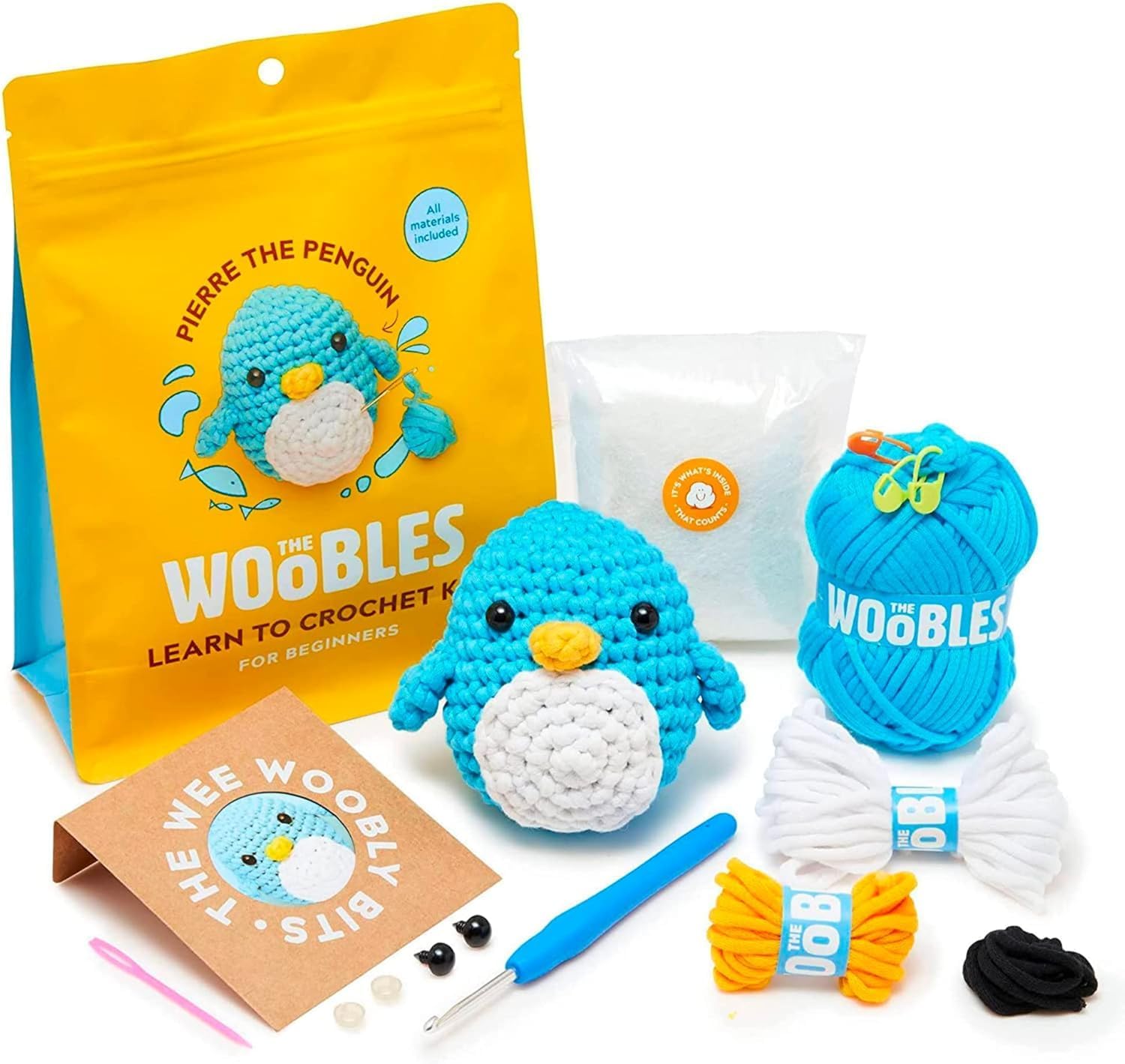
Recommended starter kit
What makes a pattern "beginner" in practice
A lot of patterns labeled "easy" online still assume you already know things like working in the round, increasing and decreasing, or reading charted shorthand. A pattern is genuinely beginner-friendly if it sticks to these:
- Uses only chain, single crochet, and maybe double crochet
- Works in straight rows (not in the round, not with shaping) or, if it's amigurumi, uses very short rounds with clear stitch counts given after each one
- Has one color, or color changes only at the very end
- Comes with either step-by-step photos or written instructions that don't assume prior vocabulary
If a "beginner" pattern throws front post/back post stitches, cluster stitches, or color changes mid-row at you, it's not actually beginner level, it's just been mislabeled to catch search traffic. If you haven't gone through the stitch basics yet, start with how to crochet for beginners first.
Types of first projects, ranked by difficulty
- Easiest: flat, single-color, single crochet. Dishcloths, coasters, simple scarves. No shaping, no counting rounds, mistakes are easy to spot and fix.
- Slightly harder: flat with double crochet. Same as above but taller stitches, which means fewer rows but slightly trickier tension control since double crochet has more places to lose count.
- Moderate: small amigurumi. Working in the round with increases and decreases. The rounds are short (starting at 6 stitches), so a mistake costs you a minute, not an hour. Good bridge project once flat single crochet feels easy.
- Harder, not for a first project: garments, granny square blankets with color work, anything with charted stitch patterns. Save these until flat pieces and basic amigurumi both feel comfortable.
Reading pattern shorthand
Patterns use abbreviations to stay short. The most common ones you'll run into as a beginner:
- ch — chain
- sc — single crochet
- dc — double crochet
- sl st — slip stitch
- st(s) — stitch(es)
- rep — repeat
- inc — increase (two stitches into one)
- dec — decrease (two stitches worked together into one)
A line like "sc 6, inc 6, sc to end" is telling you exactly what to do in order, it just looks dense until you've decoded a few lines. We break this down in more detail, including how to handle asterisks and parentheses in pattern instructions, in how to read a crochet pattern.
Free patterns to start with
We keep a running library of patterns that meet the beginner criteria above, meaning no hidden techniques, clear stitch counts, and photos at each step. Browse the free beginner pattern collection to find something to start on.
If you'd rather start with a kit
Free patterns are great, but sourcing the right yarn and matching hook size on your own is its own small learning curve. A beginner kit pairs a pattern with the exact yarn and hook it was designed for, so you're not guessing whether your substitution will work. See our best crochet kits for beginners guide if you'd rather have that decided for you on your first project.
Get the beginner crochet starter guide
The stitches, the hook and yarn to start with, and the mistakes worth skipping — in one guide.
No spam. Unsubscribe any time.
Already subscribed? Download the 5 free beginner patterns (PDF)