Learn the basics
Common Beginner Crochet Mistakes (and How to Fix Them)
Every beginner runs into the same handful of problems in roughly the same order. None of them mean you're bad at this, they're just part of building the muscle memory crochet needs. Here's what usually goes wrong and how to fix it.
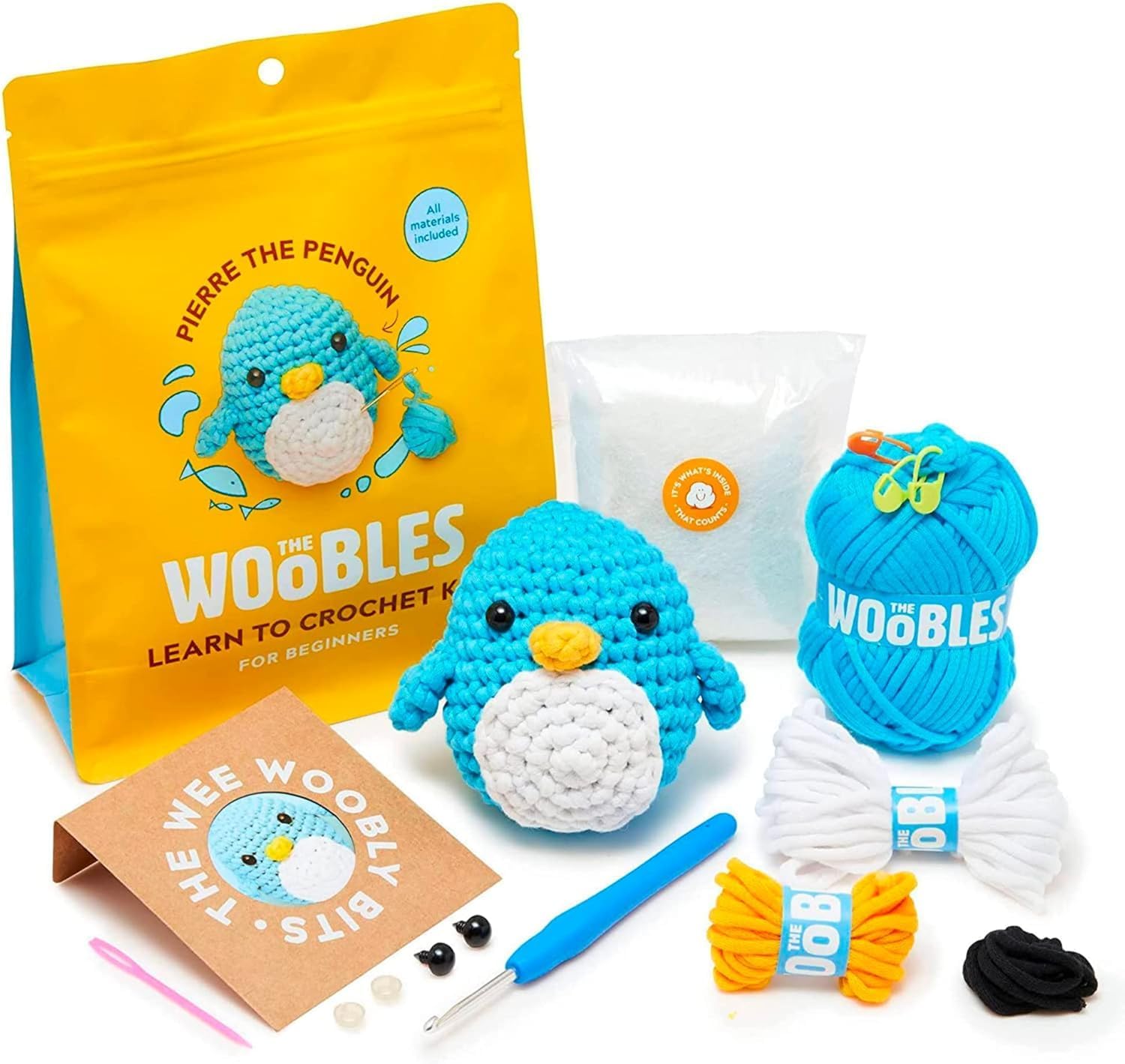
Recommended starter kit
Your piece is getting wider or narrower every row
This is the single most common beginner problem. It almost always comes down to what's happening at the start and end of each row.
- Getting wider: you're likely working an extra stitch into the last stitch of the row, or accidentally crocheting into the turning chain when you shouldn't be.
- Getting narrower: you're probably skipping the first or last stitch of the row without noticing.
The fix is the same either way: count your stitches at the end of every single row while you're learning, not just when something looks off. Catching a miscount on row 4 takes ten seconds. Catching it on row 14 means ripping out ten rows.
Tension is too tight or too loose
Too-tight tension makes stitches hard to work into and your fabric stiff. Too-loose tension makes for a floppy, uneven fabric and stitches that are hard to count clearly. Tension is a hand-memory thing, not something you fix by thinking harder about it. It improves with hours of practice, not with a better technique tip. If your hands cramp from gripping too hard, that's a sign you're overcompensating for loose tension by squeezing the hook instead of adjusting how the yarn feeds through your fingers.
Losing track of where you are mid-row
Easy to do, especially in a stitch that doesn't look visually distinct row to row (single crochet is the worst for this). Two things help:
- Use a stitch marker (or a scrap of contrasting yarn) at the start of each round if you're working in the round, so you always know where the round began.
- If you get interrupted mid-row, finish the stitch you're on before you put it down. Setting a project down mid-stitch is the number one cause of "wait, where was I."
Working into the wrong part of the stitch
Every crochet stitch has two loops on top. Most patterns want you working under both loops unless they specifically say otherwise ("back loop only" or "front loop only"). Beginners sometimes catch just one loop by accident, which creates a slightly different texture and can throw off stitch count without an obvious visual cue why. If your fabric looks slightly ribbed or textured when it shouldn't, this is often why.
Using the wrong hook for the yarn
Every yarn label has a suggested hook size range on the back. Using a hook that's too small for the yarn makes stitches tight and hard to work into. Too large, and the fabric ends up loose and holey. If you're not sure what's causing bad results, check the yarn label before you assume it's a technique problem. Our guide to picking crochet hooks covers sizing in more detail.
Trying to fix mistakes instead of just starting over
New crocheters often try to save a piece with a mistake three rows back by fudging the stitch count going forward. This usually creates a bigger, harder-to-explain problem later. On small practice pieces, it's almost always faster to rip back to the mistake (called "frogging") and redo it correctly than to try to disguise it.
The real fix for most of these
Almost everything above gets better with repetition, not with finding a trick that skips the learning curve. If you're still working out the fundamentals, go back through how to crochet for beginners and how to read a crochet pattern before starting a new project. And if you suspect your supplies are working against you rather than your technique, our best crochet kits for beginners guide only includes kits with beginner-appropriate yarn and hook pairings, which removes one common source of these problems entirely.
Get the beginner crochet starter guide
The stitches, the hook and yarn to start with, and the mistakes worth skipping — in one guide.
No spam. Unsubscribe any time.
Already subscribed? Download the 5 free beginner patterns (PDF)