Gear and tools
Best Crochet Yarn for Beginners
The right beginner yarn is light-colored, medium weight, and smooth, nothing fuzzy, dark, or textured that hides your stitches while you're learning to see them clearly. These three are all established, widely used yarns rather than unknown house brands, and each is worth picking for a different reason.
Which one to grab
- Best for pure practiceRed Heart Super Saver
- Best for a keeper projectLion Brand Vanna's Choice
- Best for dishcloths and amigurumiLily Sugar'n Cream
Whichever you choose, check the label for the suggested hook size range, our crochet hook size guide explains how to match the two. Our single crochet dishcloth pattern is a good first project to try any of these yarns on.

Red Heart Super Saver
- Price
- Around $3.77 per skein (364 yards)
- Rating
- Around 4.7 stars, 24,000+ reviews
What's in the box
- 100% acrylic, worsted weight (#4)
The most common beginner yarn recommendation for a reason: it's cheap, it's everywhere, and it's genuinely durable. It's not the softest yarn on the shelf, some crocheters describe it as slightly stiff or "squeaky" against the hook, but that same stiffness makes your stitches easy to see clearly while you're learning, which matters more than softness for a first project. Buy it in a light, solid color, not a fleck or variegated one.
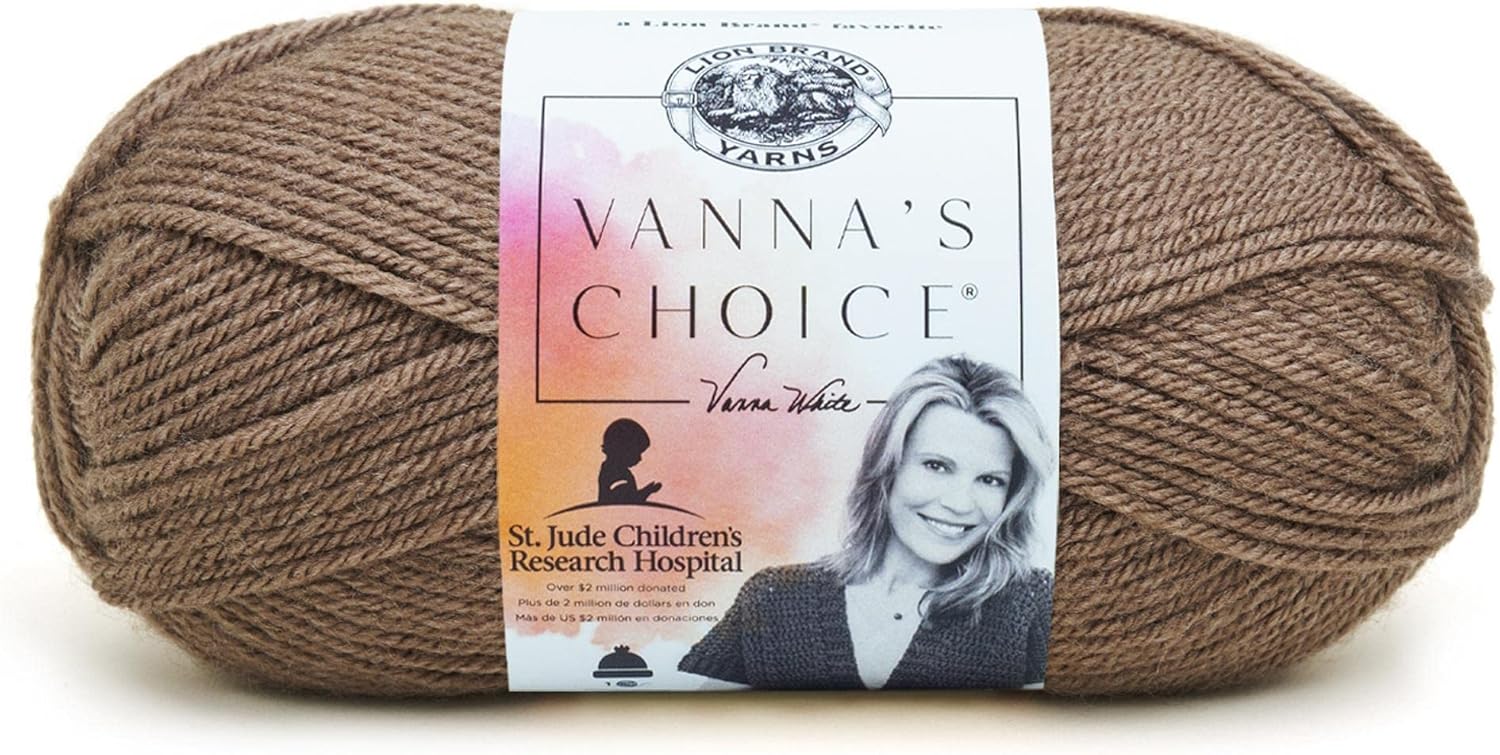
Lion Brand Vanna's Choice
- Price
- Around $7 per skein (121 to 170 yards depending on color)
What's in the box
- 100% acrylic, worsted weight (#4)
Noticeably softer than Super Saver with better stitch definition, meaning your finished stitches look cleaner and more distinct. Costs roughly double per skein, but if you want something a bit nicer to work with for a first real project, not just a practice swatch, this is the step up.
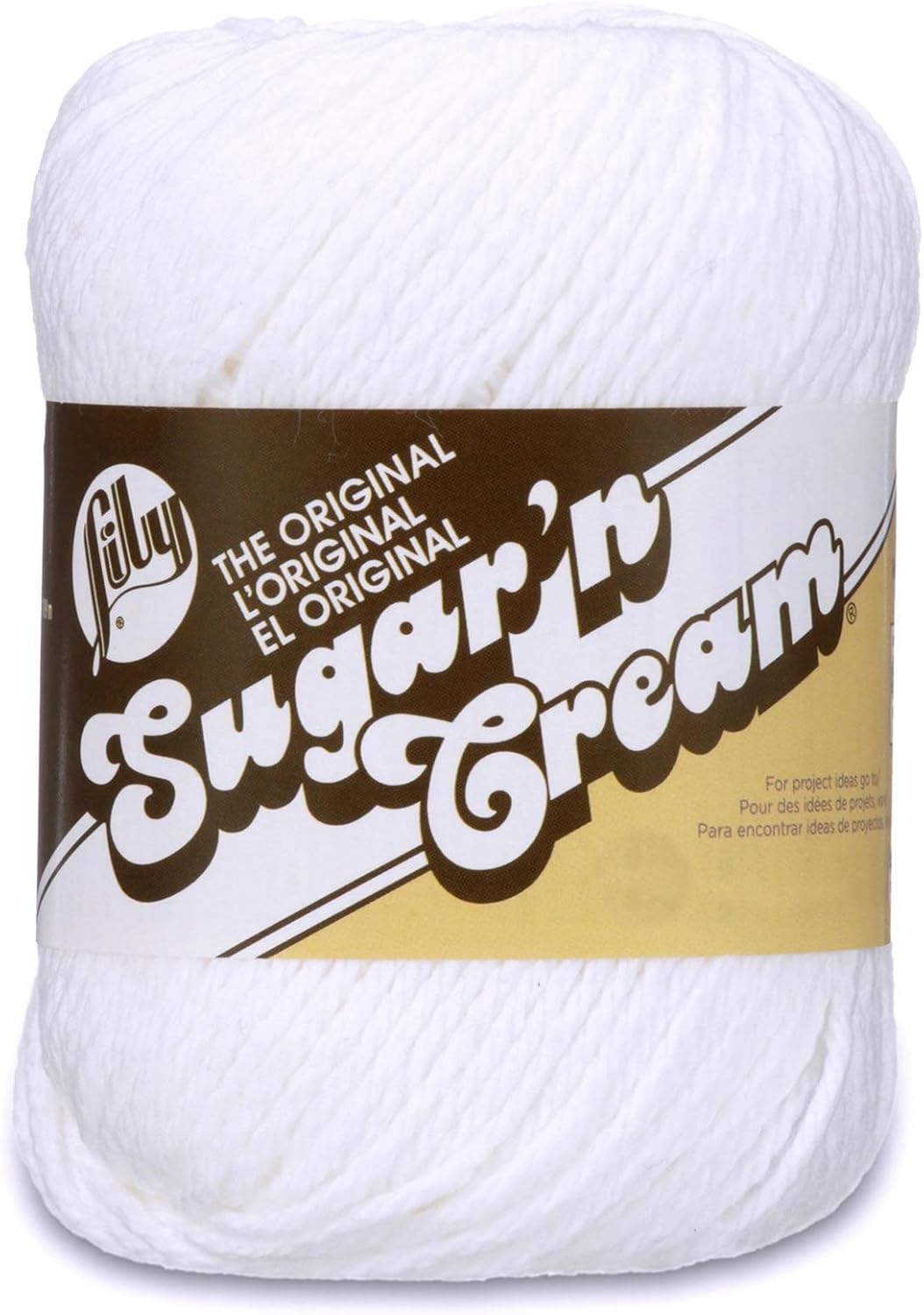
Lily Sugar'n Cream
- Price
- Around $4 to $5 per skein (120 yards)
- Rating
- A 50-year-old staple specifically for dishcloths, coasters, and amigurumi
What's in the box
- 100% cotton, worsted weight (#4)
Cotton behaves differently than acrylic: less stretchy, holds its shape better, and doesn't pill. That makes it the better choice specifically for dishcloths and amigurumi (where you want firm, defined stitches that hold stuffing in), less ideal for a soft wearable like a scarf where acrylic's stretch and softness work better.
Prefer it already matched to a hook and pattern
If choosing yarn and hook separately feels like more than you want to figure out right now, see our best crochet kits for beginners guide, or start with how to crochet for beginners if you haven't learned the stitches yet.
Looking for something more specific
- Which hook to pair with it → best crochet hooks for beginners
- Matching hook size to yarn weight → crochet hook size guide
- All the gear guides → gear and tools